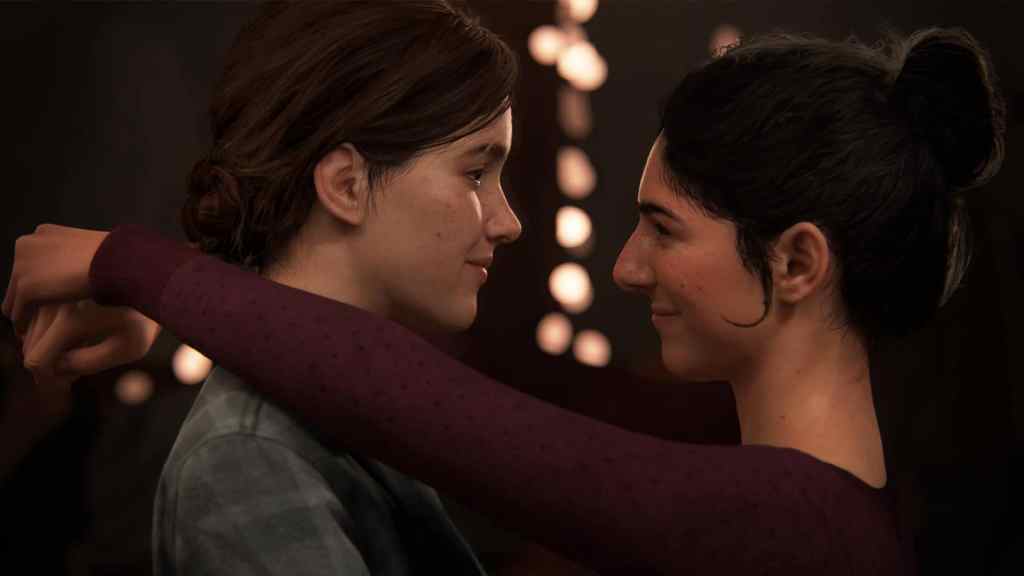
Last month saw the launch of “The Last of Us Part 2,” the sequel to the 2013 original release.
Given the launch of Playstation 5 a few months from now, “The Last of Us Part 2” is possibly the last blockbuster for the console Playstation 4.
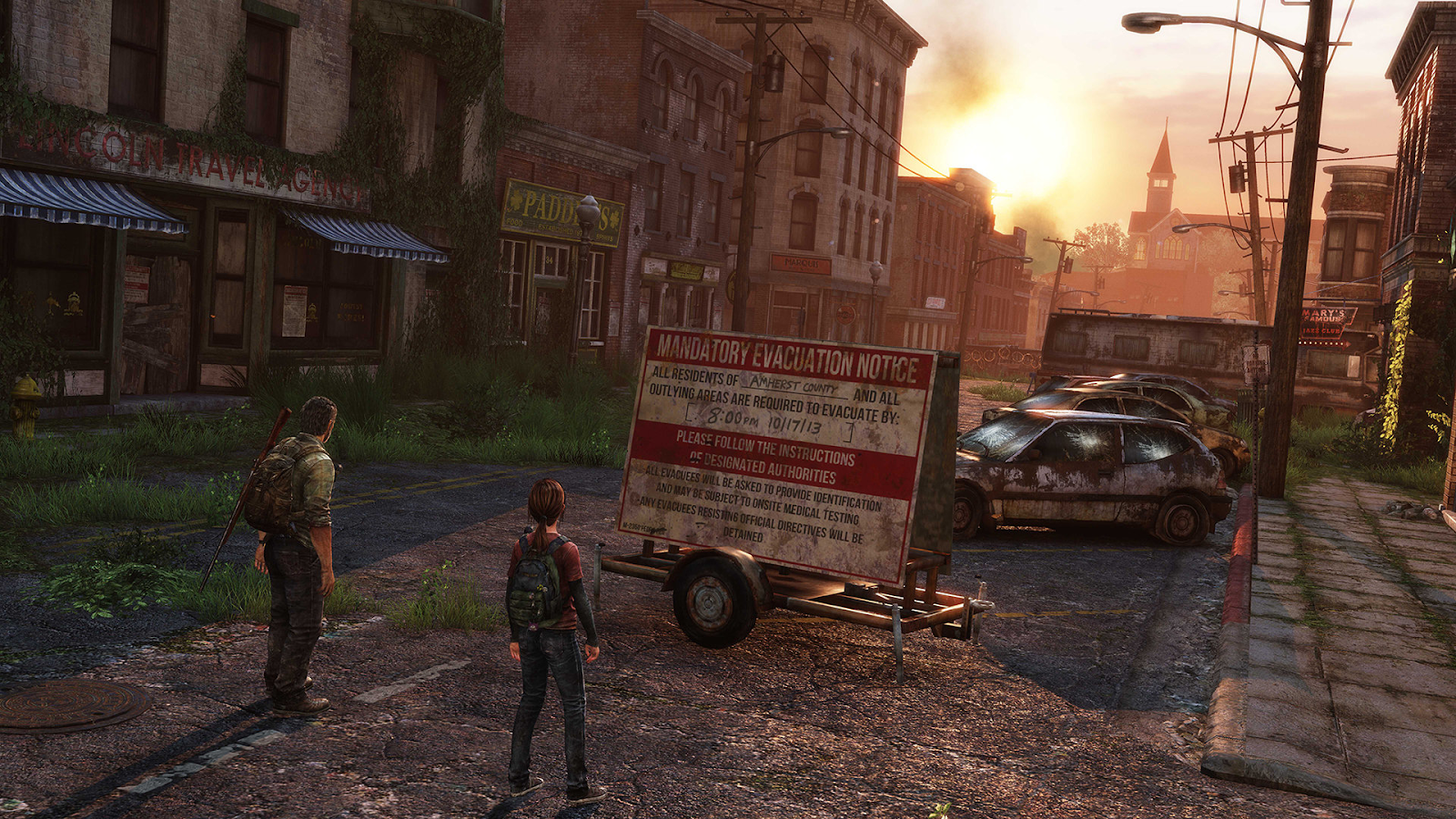
The original game’s story features a man named Joel, who’s on a mission to deliver a 14-year-old girl named Ellie to a group of rebels, in a post-apocalyptic zombie world.
A let down from the original
A surrogate father-daughter relationship, a gut-wrenching ending, and the dilemma between choosing the one you love and the greater good, “The Last of Us” was universally acclaimed by the reviewers and loved by players.
Part 2 picks up the story four years later. Now a young woman, Ellie is still deeply conflicted by the first game’s dilemma, but a tragedy sets her in pursuit of revenge.
There are two new central characters, Abby and Lev. They are on a similar journey as Joel and Ellie in the first game. The players face a dilemma between justice through vengeance and forgiveness for the sake of the community.
Most reviewers laud the sequel for its impactful storyline and the improvement on the already excellent gameplay. However, the feedback from gamers are highly divisive, including those from Thailand.
They point to plot holes and inconsistent characters, which ruin the suspension of disbelief for some players. They also say the ending is a let down in both time and emotional investment.
But not all critiques are fair
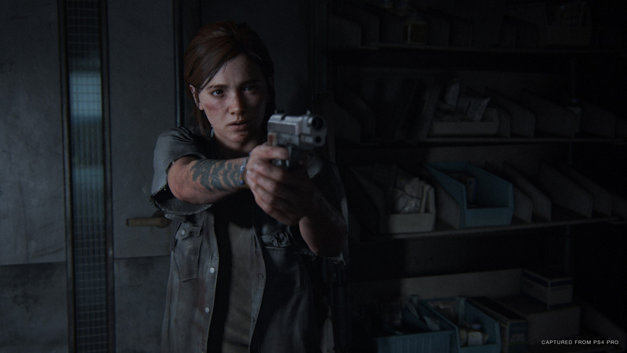
Ellie is openly gay and in a relationship with a woman. Abby has a “manly muscular physique,” that doesn’t conform to the “traditional” representation of female characters in video games. Lev is a teenager, who identifies as a transgender male.
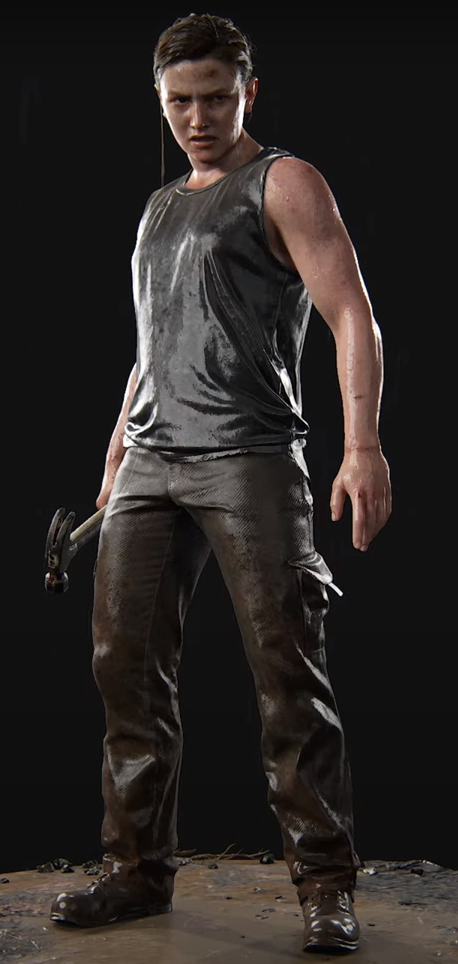
Many gamers are upset because of the perceived “transgressions” by game developers.
They accuse developers of “shoving progressive agendas” down their throats. They associate these agendas to “SJW” (Social Justice Warriors), which is a term used disparagingly to describe “people who are overly sensitive to political incorrectness and radical in their progressive values.”



Misogyny is not new to the gaming community
In 2014, GamerGate brought out the issue of sexism in the gaming community.
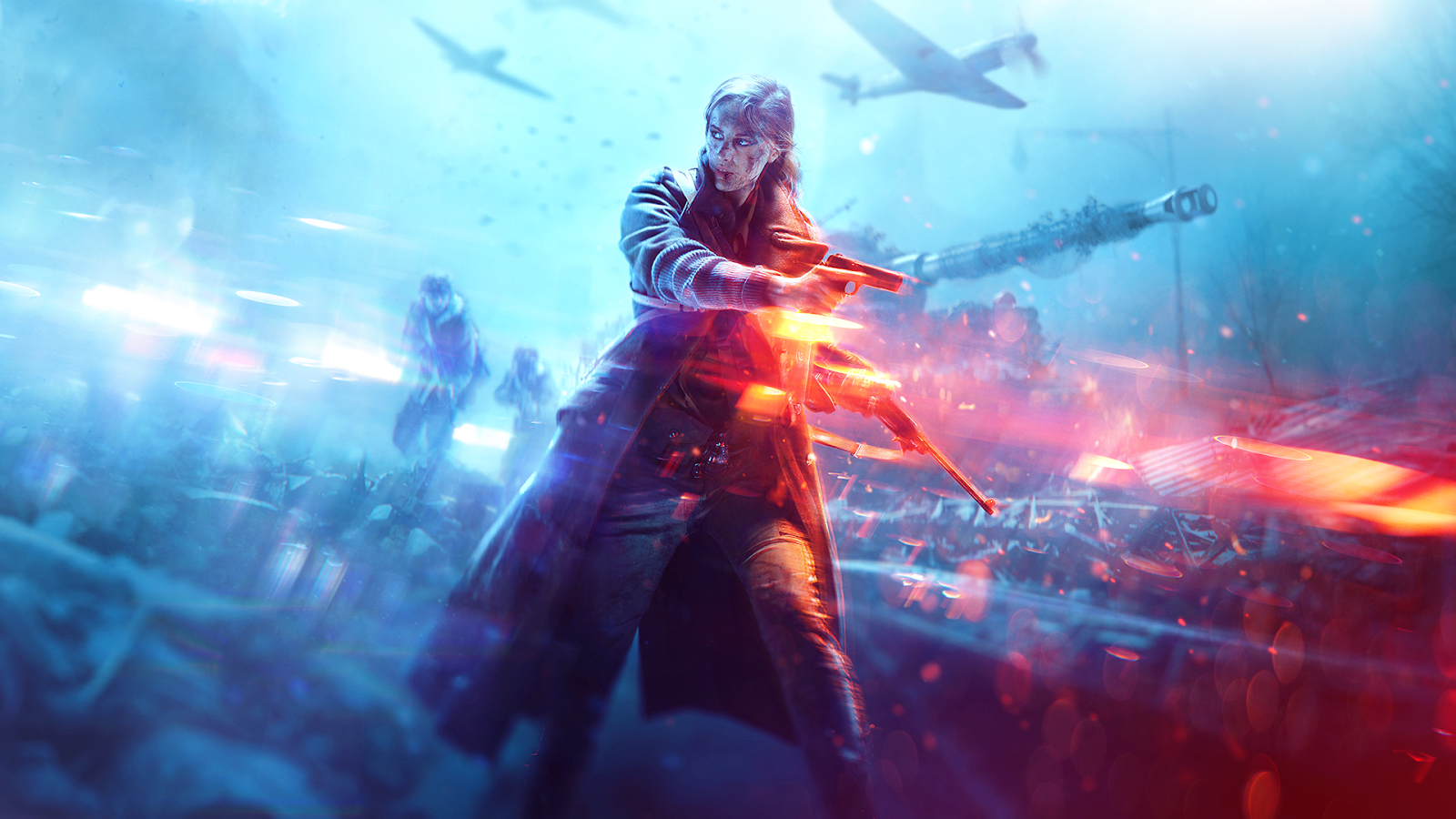
In 2018, the WWII First Person Shooter game, Battlefield V, gave an option for players to fight as women. Many gamers blasted the game for pushing political correctness over historical accuracy.
Suffice to say, there is a small, but vocal part of the gaming community that still thinks video game culture is exclusively owned by straight men. Any attempt to push the envelope in any other direction is considered “favoring the SJWs.”
According to a recent survey, there is an almost equal proportion between men and women gamers in Thailand. Globally, women now account for almost half of all gamers based on a 2017 research.
This means video game developers are more open to diversity in characters and story-telling. And rightly so, because video games, like any other media, should be inclusive and representative of its consumers.
Gradual as it may be, we must try to normalize the belief that having women or members of the LGBT+ community as main characters in video games is okay.
Diversity is okay.
This article was originally published at https://thisrupt.co/lifestyle/misogyny-in-gaming/ on July 23, 2020 and authored by Kanop Soponvijit, the owner of this blog.
 tankytech.net